

Biometrics in Healthcare
Access control for healthcare facilities, hospitals & telemedicine apps

Face recognition provides a convenient and secure means for healthcare professionals as well as patients, whether or not wearing a medical mask, in both physical and logical as well as medical device access control, particularly in a multi-user environment.
In addition, it also enables secure remote access to protect sensitive healthcare data.
Eye Recognition with or without a Mask
Benefits of Healthcare Secured by BioID

Regulatory Compliant
- Applicable national healthcare regulatory compliance (e.g. HIPPA)
- GDPR compliant

Cost Effective
- Multichannel usage with one software: remote, on-site, device
- No additional hardware (e.g. cards)
- Self-service reduces support efforts
Trusted & Secure
- All user groups inclusive
- Robust for fast access
- High performance reduces human errors
Healthcare-Friendly Access Control

Biometric use cases in healthcare are far-reaching with a variety of users including healthcare professionals, patients, as well as technical staff. These use cases are such as:
- Medical system access control
- Self-service patient administration
- Treatment center administration
- Automated dispenser cabinet administration
Most use cases in healthcare share a few common requirements as follows:
- Easy to use for all types of users
- Easy to deploy for all types of use case environments
- Must be compliant with applicable national healthcare regulations
BioID facilitates healthcare use cases for all user groups without compromise in terms of security and convenience. Not only does it allow fast access, its high and accurate performance greatly eliminates costly devices and reduces unnecessary human errors.
More Use Cases
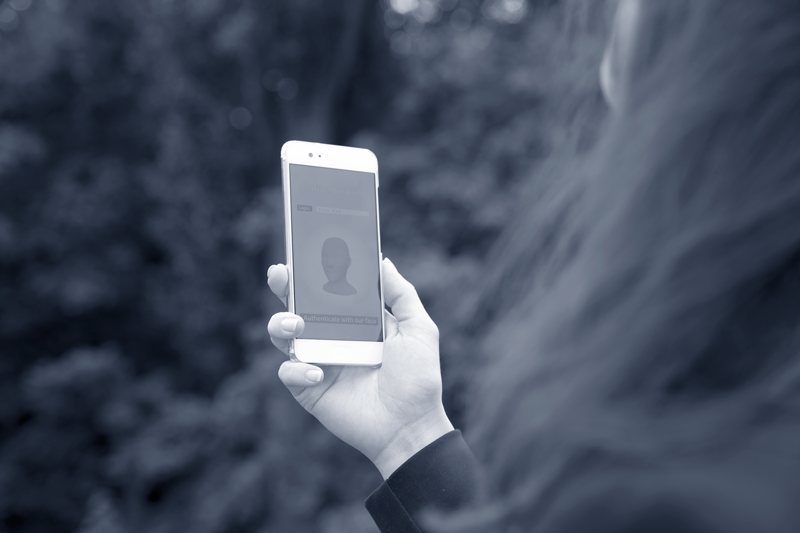
BWS offers match-on-server face login for online and mobile services enabling omnichannel services.
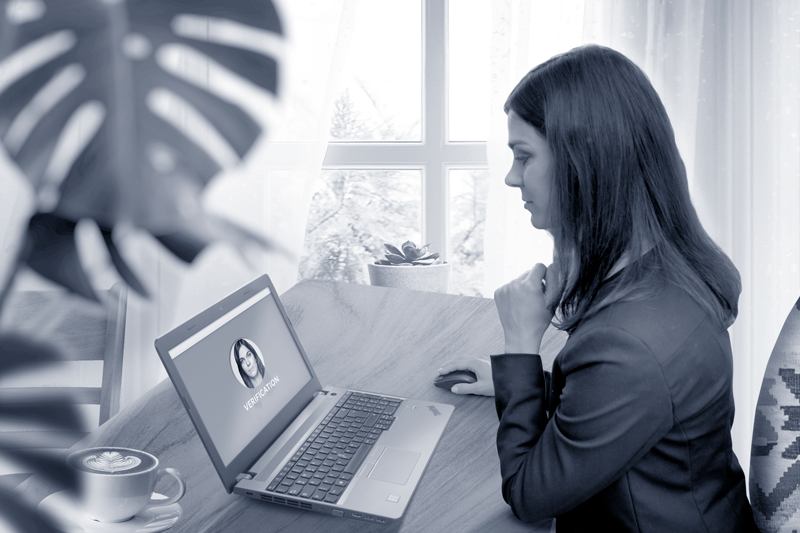
User authentication and user presence detection for remote work ensuring session integrity allowing authorized access only.
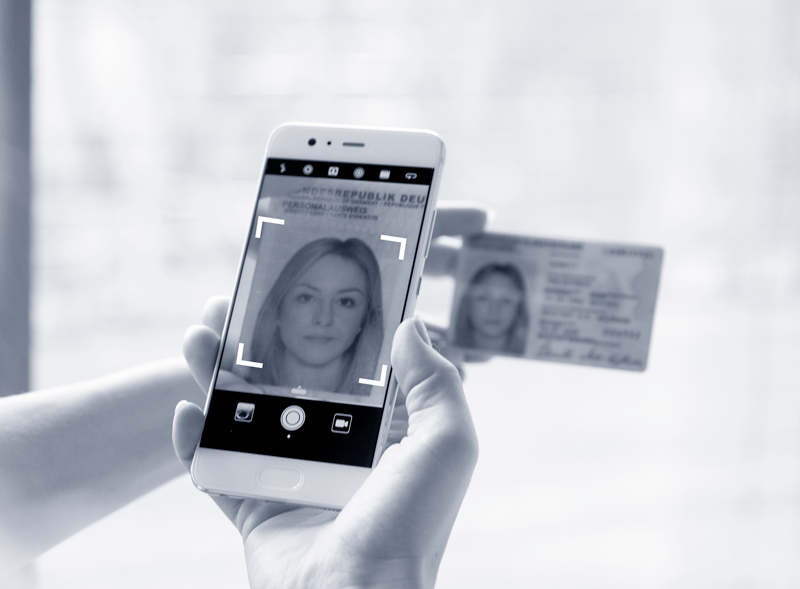
ID ownership verification as part of Know Your Customer and Anti-Money Laundering regulatory requirements preventing identity frauds.
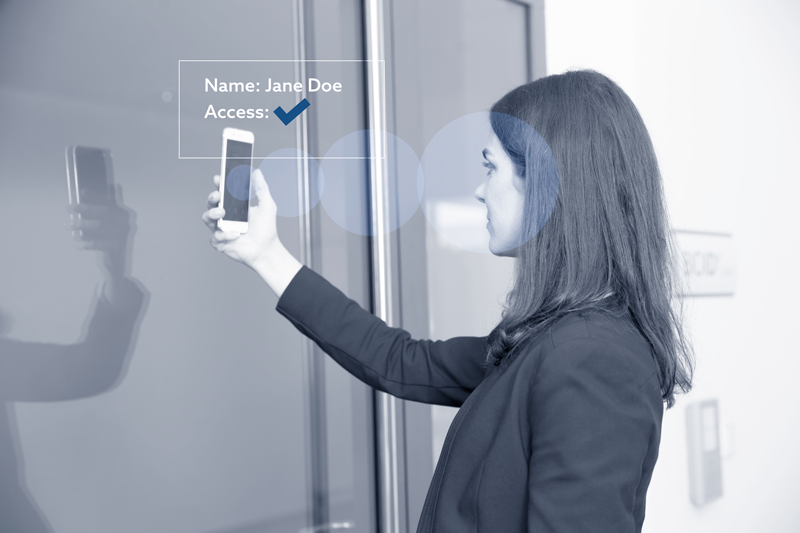
Secure and convenient physical and logical access control enabling an unified multifactor user authentication across different platforms.